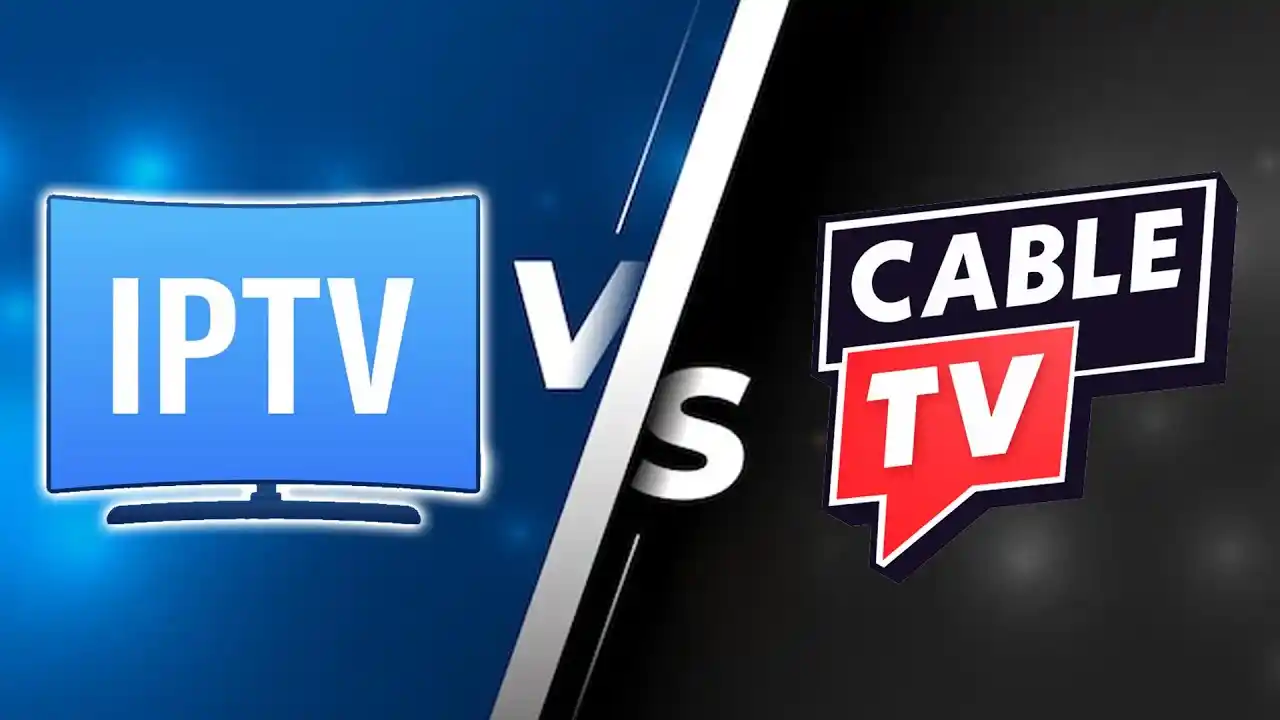
Lion OTT IPTV Vs Cable TV: Key Differences to Know Which is Better?
Television has evolved far beyond its traditional form. While Cable TV has been the standard for decades, IPTV (Internet Protocol Television) is now redefining entertainment with flexibility, affordability, and advanced features. Both deliver your favorite shows and movies, but they operate in very different ways. Here’s a breakdown to help you decide which is better for your lifestyle.
What is Cable TV?
Cable TV delivers programs through fiber-coaxial networks connected to your home. A set-top box decodes these signals, giving access to local, premium, and bundled channels. While cable is reliable and widely available, it ties viewers to fixed schedules, limited devices, and higher costs for premium content.
Decoding the IPTV
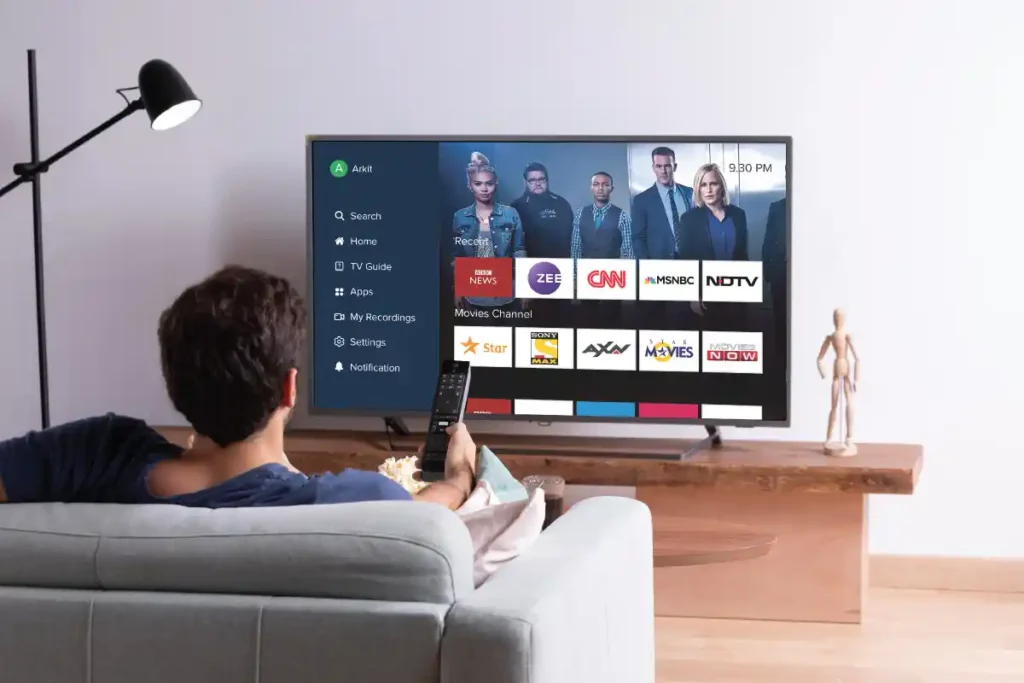
IPTV streams content through your internet connection instead of cable lines. Services like Lion OTT IPTV provide live TV, on-demand shows, movies, and international channels directly to your smart TV, laptop, tablet, or phone.
With Lion OTT IPTV, you:
- Choose programs on-demand.
- Enjoy features like pause, rewind, and fast-forward.
- Stream seamlessly across multiple devices.
This internet-based model offers more control and a personalized experience compared to traditional broadcasting.
Cost Considerations
- Cable TV: Higher monthly subscriptions, equipment rental fees, and limited package options.
- IPTV: Affordable and transparent subscription plans, no bulky hardware, and greater value with access to premium and international content.
With IPTV, you pay for what you want, not for channels you never watch.
Accessibility Anywhere
Cable requires physical wiring, limiting access to your home setup. IPTV only needs a stable internet connection, making it accessible worldwide. Whether at home, traveling, or commuting, you can watch your favorite content on any internet-enabled device.
Diverse Channel Offerings
Cable provides a mix of local and premium channels, but often at higher costs for add-ons. Lion OTT IPTV expands this with:
- Global channels across different languages and cultures.
- Vast on-demand libraries of movies, TV shows, and series.
- Flexible plans that let you customize your viewing.
Visual and Auditory Excellence
Cable delivers decent quality but can be disrupted by weather or signal issues. IPTV, with a stable internet connection, offers:
- HD and 4K streaming for sharper visuals.
High-quality sound for immersive viewing. - Smoother playback unaffected by external factors.
Adaptability and Convenience
Cable programming follows fixed schedules. IPTV allows you to:
- Watch anytime with on-demand access.
- Use pause, rewind, and fast-forward features.
- Create personalized watchlists and enjoy AI-driven recommendations.
This convenience puts you in full control of your entertainment.
Reliability Matters
Cable TV is known for stability, especially in areas with limited internet access. IPTV depends on internet quality, slow connections may cause buffering. However, with strong broadband, IPTV delivers consistent, high-quality streaming, making it equally reliable for most users.
Summing Up
Both Cable TV and IPTV serve different needs. Cable offers reliability and established infrastructure, but it comes with higher costs and less flexibility. Lion OTT IPTV brings affordability, convenience, global content, and on-demand features that align with modern lifestyles.
If you value flexibility, cost savings, and a personalized viewing experience, IPTV is the smarter choice. With Lion OTT IPTV, you’re not limited by schedules or devices—you enjoy entertainment your way.
FAQs
Traditional TV relies on cable or satellite broadcasting with fixed schedules, while OTT (Over-the-Top) delivers content over the internet, allowing on-demand access across devices without depending on broadcasters.
OTT offers greater flexibility, cost savings, global content, multi-device access, and on-demand viewing, whereas cable TV is limited by schedules, higher costs, and hardware restrictions.
Traditional TV uses broadcast signals through cable or satellite, while IPTV streams content via the internet. IPTV provides interactive features, on-demand content, and global accessibility, making it more versatile.
Pros: Flexibility, affordable plans, global access, on-demand content, HD/4K quality.
Cons: Dependent on internet speed, potential buffering with poor connections, and data usage considerations.